- Surgical aortic valve replacement (SAVR) shows a wide price gap: published ranges put it at roughly $15,000 to $35,000 in Colombia and Latin America, and up to about $54,000 for complex cases, against $55,000 to $60,000 in what Medicare pays or what US hospitals spend.
- TAVR saves much less, likely because the valve itself is a large, fixed share of the cost.
- Severe, symptomatic valve disease can rule out flying to Colombia. Get clearance for the outbound flight first.
- Plan about three to four weeks for surgical replacement and two to three weeks for TAVR.
Two ways to replace an aortic valve
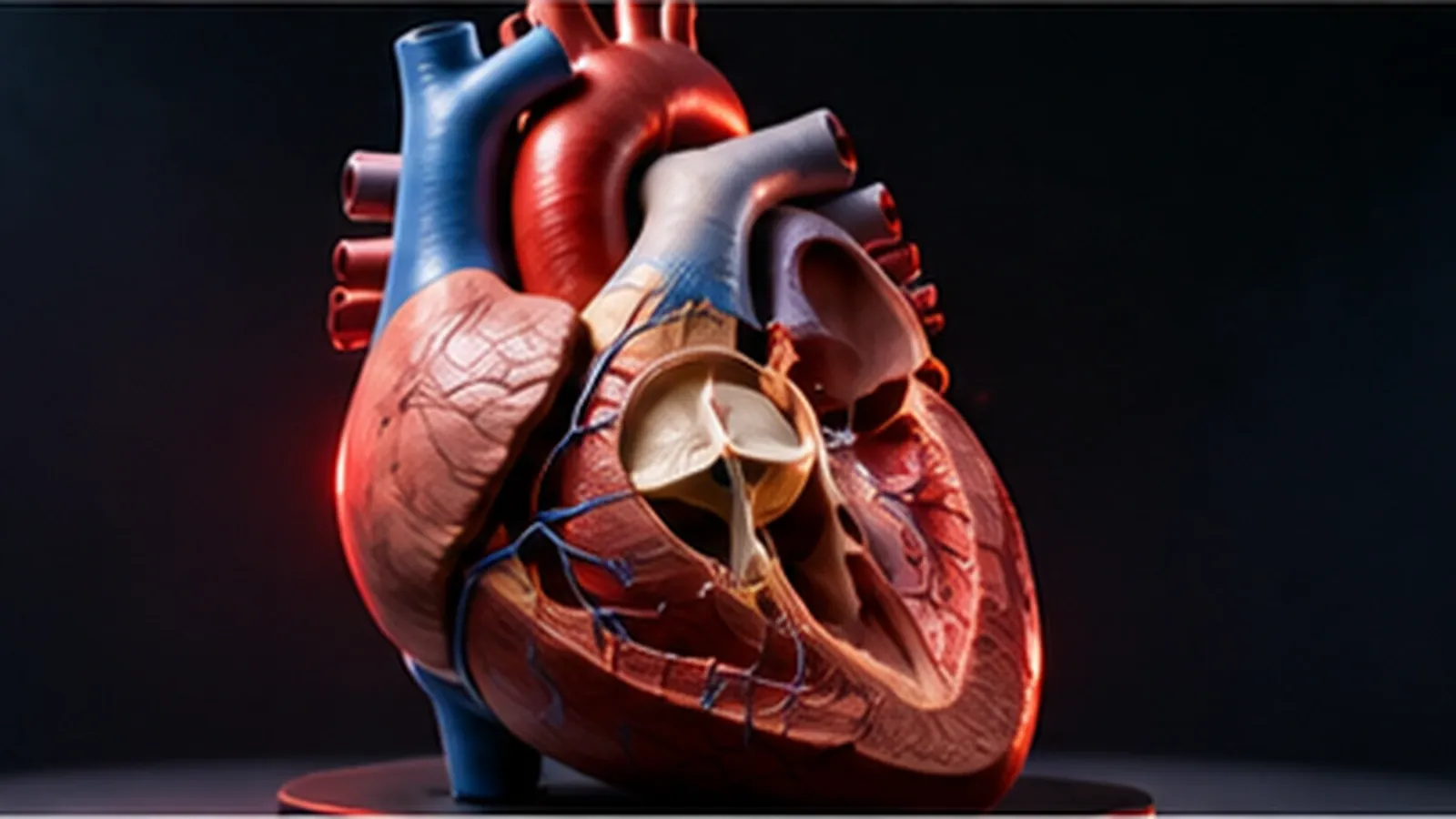
Surgical aortic valve replacement (SAVR) is open-heart surgery. The surgeon opens the chest, stops the heart on a bypass machine, removes the narrowed valve and sews in a new one, either mechanical or made from animal tissue.
Transcatheter aortic valve replacement (TAVR, also called TAVI) delivers a collapsible tissue valve on a catheter, usually through an artery in the groin, and expands it inside the old valve. There is no chest incision and many patients go home within a day or two1.
Which approach is right for you depends on factors your heart team weighs together, including your age, your anatomy and your surgical risk, and the 2020 ACC/AHA valve guideline sets out how they make that call2. This article is about what each approach means for a trip to Colombia, not which one you should have.
What each costs
Average billed charges at Pennsylvania hospitals, 2023 to 2024: about $340,500 for SAVR and $240,200 for TAVR. The Colombian TAVR range rests on one Colombian price survey, and the SAVR range on one survey plus a Latin America-wide guide; get a quote before you plan around either.
Sources: PHC4, AHRQ HCUP Statistical Brief #281, Cardiovascular Business, Cuánto Me Cuesta, Medical Tourism Association, Noticias Caracol.
SAVR. Medicare paid Pennsylvania hospitals an average of $54,970 for SAVR alone in 2023 to 2024, and $63,836 when it was combined with bypass3. National data from 2018 put the mean hospital cost of a surgical valve replacement stay at $60,4004. Average billed charges at Pennsylvania hospitals were about $340,5005. In Colombia, a May 2026 price survey lists mitral or aortic valve replacement at 50 to 180 million pesos, about $15,100 to $54,4006,7, and a 2026 Latin America price guide puts regional valve replacement or repair at $18,000 to $35,0008.
TAVR. Medicare paid an average of $44,050 for TAVR in Pennsylvania3, and a national cost study found a mean hospital cost of about $50,1009. The same study found that the valve device alone accounted for about $26,0009. That is likely the key to TAVR economics: the device is a large, fixed share of the cost wherever it is implanted. The one Colombian price survey that lists TAVI puts it at 80 to 180 million pesos, about $24,200 to $54,4006, a range that overlaps the US. We found no medical-tourism directory price for TAVR in Colombia, so treat that range as thin data.
If your heart team recommends surgical replacement, the savings can be substantial. If they recommend TAVR, get a written Colombian quote and a written US self-pay price before assuming travel saves money.
The flight down is the first hurdle
This is the part most medical-travel sites skip. The UK Civil Aviation Authority lists severe symptomatic valvular heart disease among conditions that rule out commercial air travel10. If your valve disease causes heart failure symptoms, the British Cardiovascular Society's heart failure guidance also applies: more severe symptoms may need in-flight oxygen, and the most severe should not fly without oxygen and medical assistance11.
Put simply: the people who most need a valve replaced are sometimes the people least fit to fly to get one. Ask your cardiologist directly whether you can fly to Colombia safely, and get that answer in writing before you book anything.
Which Colombian hospitals do this
Surgical valve replacement is standard at Colombia's major cardiac surgery programs. For TAVR specifically, Fundación Valle del Lili in Cali lists TAVI among its cardiology services12, and Hospital San Vicente Fundación reported 46 TAVI procedures across its Medellín and Rionegro hospitals in 202513. San Vicente Fundación does not hold JCI accreditation as far as we could find; Valle del Lili does14. For other centers, ask directly how many TAVR procedures the team performed last year. Our hospital guide covers each center's accreditation and programs.
Recovery and the flight home
| Surgical (SAVR) | Catheter (TAVR) | |
|---|---|---|
| Typical hospital stay | About a week15 | Same day to about 3 days1,16,15 |
| Earliest published flight | 10 to 14 days11,10 | 2 to 4 weeks, 6 for a holiday16 |
| Full recovery | 2 to 3 months15 | 6 to 10 weeks1 |
| Our planning advice | 3 to 4 weeks in Colombia | 2 to 3 weeks in Colombia |
After open surgery, the wait before flying exists because air left in the chest takes several days to reabsorb and expands at cabin altitude11. There is no society guideline that sets a flying date after TAVR; the figure above comes from one NHS hospital's patient advice16. Cleveland Clinic schedules TAVR follow-up at one week, one month with an echocardiogram, six months and one year1,17, so plan to have at least the one-week visit done in Colombia.
Hospital stays and flight minimums come from published guidance. The green buffer is our own conservative planning advice, not a medical rule. Your cardiologist and your airline make the final call.
Sources: Smith et al., UK Civil Aviation Authority, CDC Yellow Book 2026, Guy's and St Thomas' NHS Foundation Trust, NHS [1] [2], Cleveland Clinic, Mayo Clinic.
Blood thinners: the part that follows you home
Mechanical valves need lifelong anticoagulation, usually warfarin15. Warfarin requires regular blood tests (INR) to keep the dose right18, and the 2020 ACC/AHA guideline still names warfarin-type drugs as the anticoagulant of choice for mechanical valves; a trial of a newer drug in these patients was stopped early because of excess strokes and bleeding2. Before you fly home, you need an anticoagulation clinic at home booked and your current dose written down.
Tissue valves and TAVR typically need less. Cleveland Clinic's TAVR patients take a daily low-dose aspirin, sometimes with clopidogrel for about 30 days17. Your team decides; the point is to know the plan in writing before you leave.
Do not stop or skip an anticoagulant or antiplatelet drug around travel without talking to the doctor who prescribed it18,19.
Altitude
Bogotá sits at about 2,640 m, Medellín at about 1,495 m and Cali at about 1,018 m20,21,22. We did not find a specific recommendation for valve disease or valve surgery in the 2018 European cardiology recommendations on high altitude23, or any guidance about recovering from valve surgery in a high city. If you have heart failure symptoms alongside your valve disease, the heart failure limits in those recommendations apply. Ask your team, and see our altitude guide.
Quick answers
How much does heart valve replacement cost in Colombia?
A 2026 Colombian price survey lists surgical valve replacement at about $15,100 to $54,400, and a Latin America-wide price guide lists $18,000 to $35,000. TAVR (TAVI) ranges from about $24,000 to $54,000 in the one Colombian price survey that lists it. Treat all of these as starting points and get a written quote.
Why is TAVR not much cheaper in Colombia?
The transcatheter valve is an expensive imported device. In a US cost study, the valve alone accounted for about $26,000 of a TAVR hospitalization. A fixed device cost that large is the likely reason the Colombian range overlaps the US.
How soon can I fly after valve replacement?
After uncomplicated surgical valve replacement, published minimums are 10 days (British Cardiovascular Society) to 10 to 14 days (UK Civil Aviation Authority). After TAVR, one NHS hospital advises that flying may be possible after 2 to 4 weeks, and that waiting 6 weeks is better for a holiday.
Can I fly to Colombia with severe aortic stenosis?
Possibly not. The UK Civil Aviation Authority lists severe symptomatic valvular heart disease among contraindications to commercial air travel. Your cardiologist needs to clear the flight to Colombia, not just the flight home.
Sources
- Cleveland Clinic: Transcatheter aortic valve replacement (TAVR). my.clevelandclinic.org
- 2020 ACC/AHA Guideline for the Management of Patients With Valvular Heart Disease. ahajournals.org
- PHC4, Cardiac Procedures Report 2023-2024: average Medicare payments (Pennsylvania). phc4.org
- AHRQ HCUP Statistical Brief #281: Operating room procedures during hospitalization, 2018. hcup-us.ahrq.gov
- PHC4, SAVR hospital results and average charges 2023-2024 (Pennsylvania). phc4.org
- Cuánto Me Cuesta: precios de cirugía de corazón en Colombia (May 2026). cuantomecuesta.com
- Noticias Caracol: TRM for September 28, 2026 (3,306.86 COP per USD). noticiascaracol.com
- Medical Tourism Association: heart surgery cost in Latin America (2026). better.medicaltourism.com
- Cardiovascular Business: TAVR costs vary significantly from one hospital to the next (Sanaiha et al.). cardiovascularbusiness.com
- UK Civil Aviation Authority: cardiovascular disease and fitness to fly. caa.co.uk
- Smith et al., Fitness to fly for passengers with cardiovascular disease, British Cardiovascular Society, Heart 2010. heart.bmj.com
- Fundación Valle del Lili: Cardiology department. valledellili.org
- Hospital San Vicente Fundación: 2025 sustainability report. sanvicentefundacion.com
- Consultorsalud: Fundación Valle del Lili receives JCI accreditation (Dec 2024). consultorsalud.com
- NHS: Heart valve replacement recovery. nhs.uk
- Guy's and St Thomas' NHS Foundation Trust: Recovery from a TAVI. guysandstthomas.nhs.uk
- Cleveland Clinic: After TAVR (patient education). my.clevelandclinic.org
- MedlinePlus: Warfarin. medlineplus.gov
- MedlinePlus: Clopidogrel. medlineplus.gov
- Wikipedia: Bogotá (elevation). en.wikipedia.org
- Wikipedia: Medellín (elevation). en.wikipedia.org
- Wikipedia: Cali (elevation). en.wikipedia.org
- Parati et al., Clinical recommendations for high altitude exposure of individuals with pre-existing cardiovascular conditions, Eur Heart J 2018. pmc.ncbi.nlm.nih.gov
This article summarizes published guidance and prices for general information. It is not medical advice and has not been reviewed by your doctors. Your cardiologist decides what procedure you need and whether you are fit to travel. Prices are ranges, not quotes. Chest pain or new symptoms: call 911 (US, Canada) or 123 (Colombia).