- US Medicare pays hospitals about $24,500 to $26,700 for an outpatient AFib ablation. A Colombian survey lists catheter ablation in general at $4,500 to $10,600, in thin published data; AFib-specific quotes may run higher.
- Ask every quote which technique it uses and whether mapping is included. That is where the price moves.
- You can fly after 2 days, but your clot risk is high for the first week. Plan seven to ten days in Colombia.
- Expect anticoagulants for at least three months, and some palpitations along the way.
What ablation does
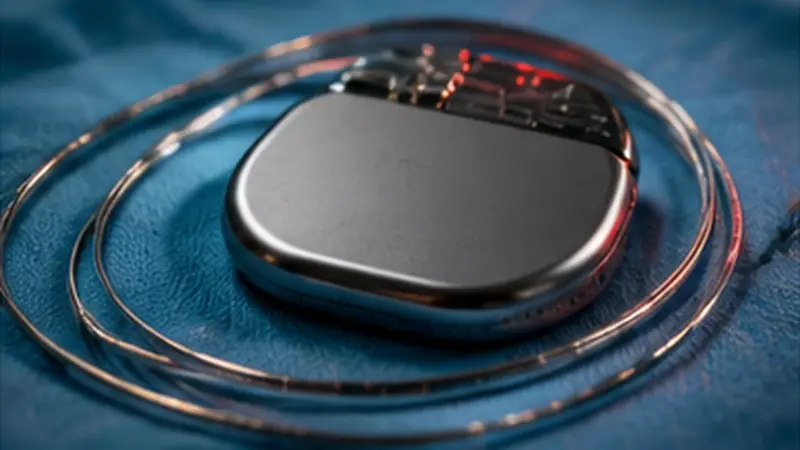
Atrial fibrillation (AFib) is an irregular rhythm usually driven by stray electrical signals from around the pulmonary veins. Catheter ablation threads catheters up to the heart, usually from the groin, and creates small areas of scar tissue that block those signals1. The core of most AFib ablations is called pulmonary vein isolation.
The scar can be made with heat (radiofrequency), cold (cryoablation) or, in newer systems, short electrical pulses (pulsed field ablation)2. Many centers also use 3D electroanatomic mapping to build a model of the heart during the procedure. Which technique is right is your electrophysiologist's call; for a trip, the point is that technique and mapping both change the price.
What it costs
The CABANA trial's cost analysis put the mean US cost of one ablation at $26,656 in 2018 dollars, consistent with Medicare's rates. The Colombian survey covers ablation for any arrhythmia, so AFib-specific quotes may sit at the top of the range or above it.
Sources: Abbott [1] [2], CABANA trial cost-effectiveness analysis (2022), Cuánto Me Cuesta, Noticias Caracol.
US. Medicare's 2025 national hospital outpatient rate for AFib ablation by pulmonary vein isolation was $24,5323. For 2026 it rose to $26,704, and inpatient payments run about $24,000 to $30,000 depending on complexity2. The cost analysis from the CABANA trial, which used US hospital bills, put the mean cost of one ablation at $26,656 in 2018 dollars4. Those are what Medicare pays; we did not find a US cash price for AFib ablation, and self-pay quotes can be considerably higher.
Colombia. A May 2026 Colombian price survey lists catheter ablation for arrhythmias in general at 15 to 35 million pesos for private patients, about $4,500 to $10,6005,6. That covers simpler ablations as well as AFib, so an AFib ablation, especially with 3D mapping, may sit at the top of that range or above it. One 2024 directory listing from a Medellín clinic gives higher figures, but the same clinic also sells stem-cell therapy for heart failure, so we do not rely on it7. Get a written quote.
Which technique (radiofrequency, cryo or pulsed field)? Is 3D mapping included? Is any pre-procedure imaging included? How many nights in hospital? What is the plan if a repeat procedure is needed later?
Who does this in Colombia
Electrophysiology programs are standard at Colombia's major cardiac centers. Fundación Valle del Lili in Cali lists radiofrequency ablation among its electrophysiology services8, and LaCardio in Bogotá runs adult and pediatric electrophysiology9. Both are JCI accredited. Ask any center how many AFib ablations its team performed last year. Our hospital guide covers accreditation for each.
Recovery
Many people go home the same day; some stay one night1. Most return to daily activities within a few days and avoid heavy lifting for about a week1. One NHS hospital suggests about a week off work10.
Two things surprise people. First, AFib symptoms in the first two months are common and do not necessarily mean the ablation failed, because the heart is still healing10. Second, the blood thinners do not stop when you leave the hospital.
Blood thinners: not optional
Mayo Clinic says you need to take blood thinners for at least three months after ablation1. One NHS hospital's discharge advice is blunter: do not stop or miss any anticoagulant doses after ablation, because stroke risk is raised in the first few weeks10. Whether you stay on them longer depends on your own stroke risk, which your cardiologist assesses.
For a trip, that means leaving Colombia with your full supply, in original containers, with a letter listing generic names and doses11, and with a prescriber at home already lined up.
The flight home and clots
The British Cardiovascular Society says patients may fly 2 days after ablation. The same guidance places anyone flying within a week of ablation in a high-risk group for blood clots12. For higher-risk travelers on flights over six hours, guidance summarized by the CDC suggests walking the aisle, exercising the calves, taking an aisle seat and wearing fitted below-knee compression stockings of 15 to 30 mmHg13.
Hospital stays and flight minimums come from published guidance. The green buffer is our own conservative planning advice, not a medical rule. Your cardiologist and your airline make the final call.
Sources: Smith et al., UK Civil Aviation Authority, CDC Yellow Book 2026, Guy's and St Thomas' NHS Foundation Trust, NHS [1] [2], Cleveland Clinic, Mayo Clinic.
Our planning advice is seven to ten days in Colombia after the procedure. That keeps your flight outside the highest-risk week and leaves room for a check-up if you have symptoms.
Most AFib patients are. We found no authoritative guidance on whether extra clot prevention is needed for the flight on top of an anticoagulant you already take. Do not add or change anything on your own; ask the team that did the ablation.
After you get home
- Bring home the procedure report, the technique used, any mapping images, and your medication plan, in English14.
- Book follow-up with a cardiologist or electrophysiologist at home who will monitor your rhythm and manage the anticoagulant. The AMA encourages physicians to say up front whether they will provide follow-up after care abroad15.
- Keep a record of any palpitations in the first months to discuss at follow-up, rather than assuming the worst.
Quick answers
How much does AFib ablation cost in Colombia?
A May 2026 Colombian price survey lists catheter ablation for arrhythmias in general at 15 to 35 million pesos for private patients, about $4,500 to $10,600. AFib-specific quotes may sit at the top of that range or above it, depending on technique and whether 3D mapping is used. Treat it as thin data and get a written quote.
What does AFib ablation cost in the US?
Medicare's 2025 national hospital outpatient rate for AFib ablation by pulmonary vein isolation was $24,532, rising to $26,704 in 2026. A US trial cost analysis put the mean cost of one ablation at $26,656 in 2018 dollars.
When can I fly after an AFib ablation?
The British Cardiovascular Society says patients may fly 2 days after ablation, but flying within a week puts you in a high-risk group for blood clots. We suggest planning seven to ten days in Colombia.
How long are blood thinners needed after ablation?
Mayo Clinic says at least three months. One NHS hospital's discharge advice stresses not stopping or missing anticoagulant doses because stroke risk is raised in the first weeks after ablation.
Sources
- Mayo Clinic: Cardiac ablation. mayoclinic.org
- Abbott, Volt PFA System 2026 Reimbursement Guide. cardiovascular.abbott
- Abbott, CMS OPPS/ASC reimbursement prospectus (CY2024 and CY2025 Medicare outpatient rates). cardiovascular.abbott
- CABANA trial cost-effectiveness analysis (2022). pmc.ncbi.nlm.nih.gov
- Cuánto Me Cuesta: precios de cirugía de corazón en Colombia (May 2026). cuantomecuesta.com
- Noticias Caracol: TRM for September 28, 2026 (3,306.86 COP per USD). noticiascaracol.com
- Bookimed: cardiology clinics in Colombia. en.bookimed.com
- Fundación Valle del Lili: Cardiology department. valledellili.org
- LaCardio: International Center. lacardio.org
- University Hospitals Sussex NHS: discharge advice after catheter ablation for AF. uhsussex.nhs.uk
- CDC Yellow Book: Travelers with chronic illnesses. cdc.gov
- Smith et al., Fitness to fly for passengers with cardiovascular disease, British Cardiovascular Society, Heart 2010. heart.bmj.com
- CDC Yellow Book 2026: Deep vein thrombosis and pulmonary embolism. cdc.gov
- CDC Yellow Book 2026: Medical Tourism. cdc.gov
- AMA Code of Medical Ethics Opinion 1.2.13: Medical Tourism. code-medical-ethics.ama-assn.org
This article summarizes published guidance and prices for general information. It is not medical advice and has not been reviewed by your doctors. Your cardiologist decides what procedure you need and whether you are fit to travel. Prices are ranges, not quotes. Chest pain or new symptoms: call 911 (US, Canada) or 123 (Colombia).